







Search Results for: Small Dose Brewing
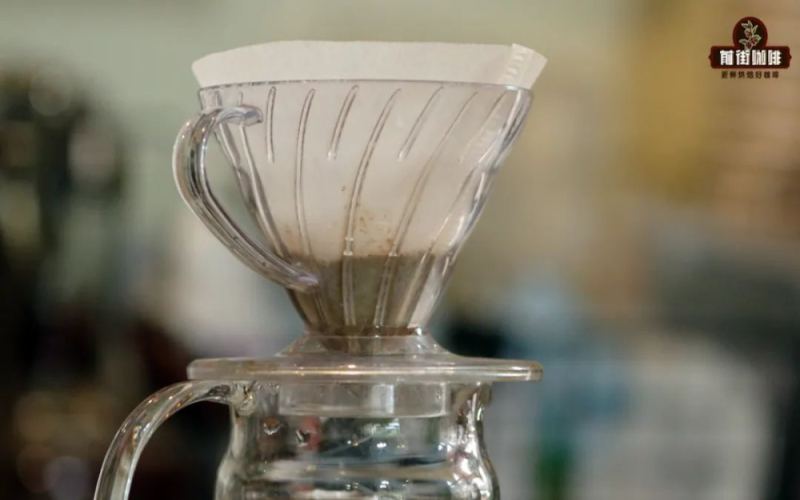
Pour-Over Coffee Small-Dose Brewing Guide: How to Adjust Parameters for 7g of Coffee to Get Great Flavor
In the practice of pour-over coffee, the coffee dose is one of the key variables determining the extraction result. Many coffee enthusiasts run into this problem: at the end of a bag of beans there are always a few grams left, too little for a single cup on its own, yet too wasteful to throw away. Based on Front Street Coffee's hands-on testing experience, this article systematically explores the differences between brewing with a small dose of around 7 grams and a conventional 15-gram dose, analyzes the extraction challenges caused by a thinner coffee bed and faster water flow, and offers two sets of adjustment plans for different levels of water-control skill—one that relies on a finer grind combined with a thin stream and three-pour approach, and another that uses a heavy stream and staged raising of the water level to lower the barrier to execution. Whether you are a complete beginner or a pour-over player with some experience, you can find a small-dose strategy that suits you. [more…]
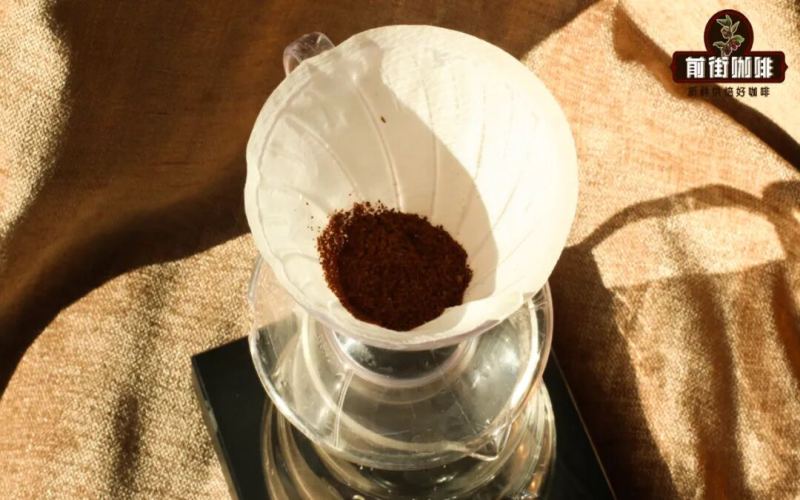
Pour-over coffee brewing method | How many coffee beans are needed to brew a pour-over? What are the difficulties of brewing coffee with a small dose? How to make pour-over coffee using only 5 grams of coffee beans
It might be used for making specialty coffee drinks, or perhaps you just want a light taste of coffee to get a hint of the flavor~ Occasionally, some friends have the idea of "brewing just a small cup of coffee with only a small amount of coffee beans." But if you've actually tried it, Front Street believes it shouldn't be hard to notice: compared to brewing with a large dose of coffee grounds, brewing a good cup with a small dose [more…]

Is It Feasible to Use 30 Grams of Coffee for a Single Pour-Over? Adjustment Approach and Practical Tips for Large-Dose Extraction
During holidays and family gatherings, there's always someone hoping the coffee enthusiast will brew a fresh pot on the spot. But when the dose jumps from the usual 15 grams to 30 grams, the same technique tends to cause water to pool at the end of the drawdown, drag out the brew time, and leave the flavor low and muddy. Why does extraction change so much once the dose goes up? Front Street Coffee breaks down the challenges of large-dose pour-over one by one—from dripper model and blooming method to pouring rhythm—and offers adjustment plans for both the 02 and 01 drippers, helping you brew coffee close to your everyday standard even at gatherings with many people. [more…]
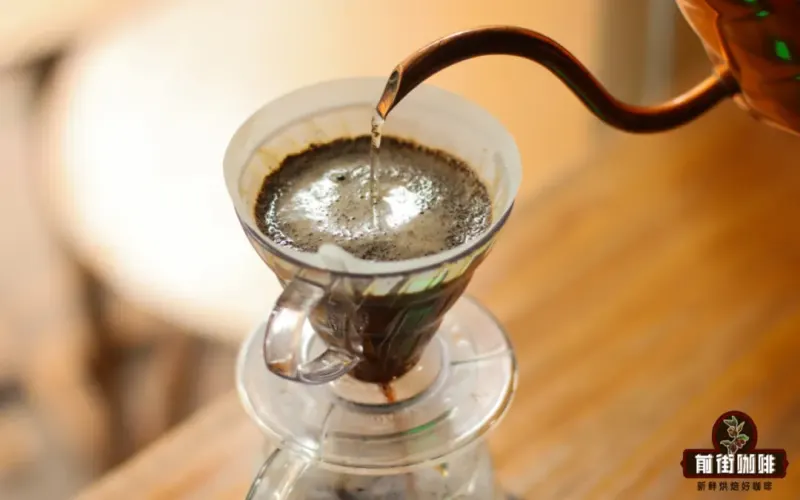
How Does Coffee Dose Affect Flavor in Pour-Over? Differences Between 01 and 02 Drippers and Brewing Techniques for Small Drippers with Large Doses
Many coffee enthusiasts have found during brewing that simply adding a little more coffee grounds causes a noticeable decline in the resulting flavor. The reason behind this often lies in the amount of grounds exceeding the reasonable capacity of the current dripper, while the brewing technique has not been adjusted accordingly. This article will focus on the suitable grounds amounts for the two common dripper models, 01 and 02, analyzing the specific effects of too much or too little coffee on extraction uniformity, flow rate, and the final flavor. At the same time, for scenarios where you only have a small dripper on hand but need to brew a large amount of coffee, it provides a complete solution including coarsening the grind size, slightly adjusting the water temperature, and pouring techniques, and offers practical reference suggestions based on Front Street Coffee's standard parameters. [more…]
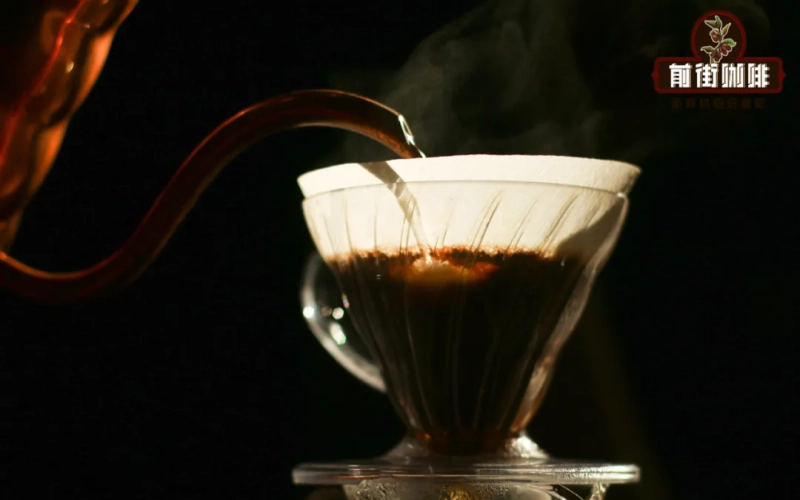
How to adjust brewing when less than 15 grams of coffee beans remain? Analysis of small-dose extraction techniques and bean-saving ideas for conical drippers
Many times, when a bag of coffee beans is nearing its end, there are always less than 15 grams of scattered beans left, which is neither enough for the usual single-serving dose nor enough to blend with other beans to make up the number. If you don't want to waste them, you need to find a way to fully extract the value from these few beans. When the dose is on the low side, the brewed coffee tends to be under-extracted, because the coffee bed becomes thinner, the amount of water poured decreases, and the contact time between hot water and coffee grounds is shortened. If a conical dripper is used, bypass water can also easily dilute the coffee liquid. In response to these difficulties, Front Street shares two approaches in this article to help everyone brew a good cup even with less than 15 grams of coffee beans. [more…]
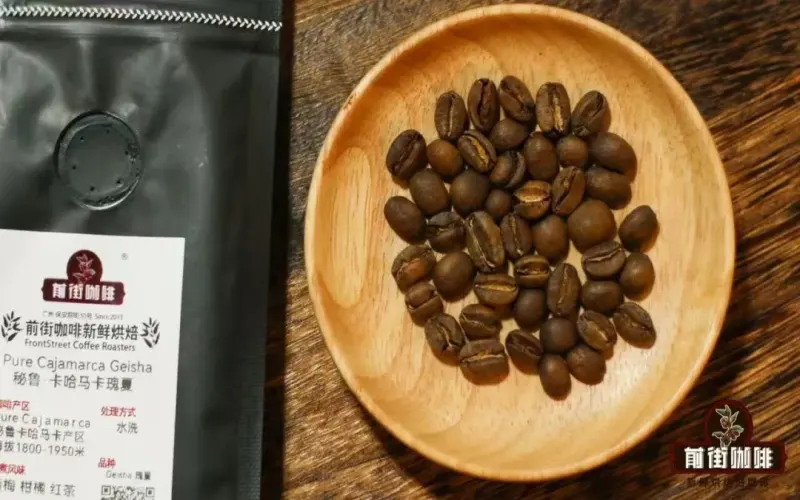
What is the minimum amount of coffee grounds for pour-over? Can 5 grams of beans brew a good cup of coffee? Analysis of brewing ideas and methods for extremely small doses
The standard dose for pour-over coffee is usually around 15 grams, but when dealing with a rare bean variety or when you just want to taste a sample, can you push the dose down to 5 grams or even lower? Once the dose is reduced, the ratio of hot water to coffee grounds, the extraction time, and the pouring method all change in a chain reaction, and one wrong move can produce a thin or bitter cup. Starting from practical operation, this article sorts out the lower limit of the pour-over coffee dose, analyzes the core difficulties faced by brewing with a small dose, and offers pouring strategies and equipment selection suggestions for extremely small doses such as 5 grams and 8 grams. The article also draws on the store practice of Front Street Coffee to explain the scenarios in which small-dose brewing is suitable and the points to note, helping coffee lovers preserve as much flavor layering as possible while saving beans. [more…]
How do you use a V30 conical pour-over dripper? How many beans to use for small-dose extraction and what to watch out for
Small doses in pour-over brewing are often a headache: the coffee bed becomes thin, water tends to channel straight through, and the cup easily turns out thin and insipid. The 30-degree conical dripper from Japan's Tarachine Conical, known in coffee circles as the "V30," was designed specifically for small doses under 15 grams. How does it differ from the classic V60? How do you fold the filter paper? Front Street Coffee tested light and fruity roasts, medium-dark roasts, and three medium-roast beans, comparing the extraction performance of the V30 and the small V60. This article will explain the V30's structural features, filter-folding method, brewing parameters, and suitable roast levels, helping you brew a cup with concentrated flavor and a full body even at small doses. [more…]
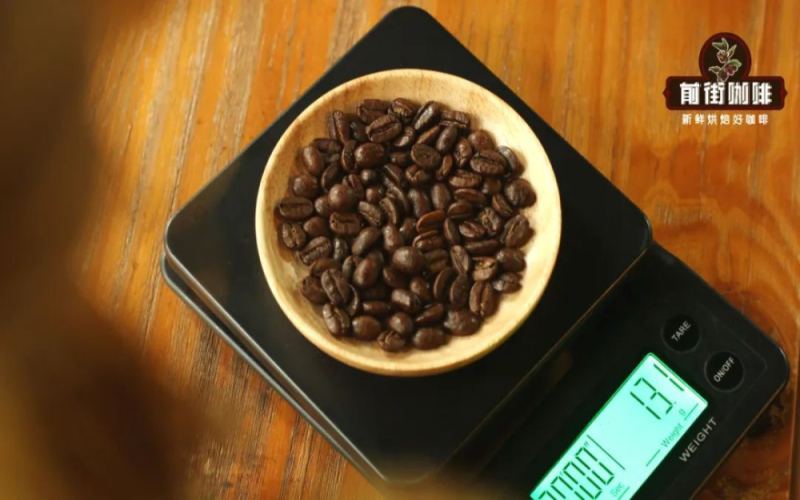
What Is the Right Amount of Coffee for a Single-Serve Pour-Over? V30 Cone Dripper Testing and Brew Parameter Breakdown
How should the coffee dose for pour-over be determined? The common Hario V60 01 dripper is recommended to hold 15–20 grams of coffee grounds, but when there aren't enough beans left or you only want to brew a single cup, using a large dripper with a small dose easily leads to a thin extraction. The 30-degree conical dripper launched by Japan's Tarachine (commonly known as the V30) is designed specifically for small doses of under 15 grams. After getting this transparent resin dripper, Front Street Coffee conducted brewing comparisons using Kenya, Blue Mountain, and three medium-roast beans, and found that the V30 can form a thicker coffee bed with a small dose, extending the extraction path, making the coffee flavor more intense and the mouthfeel fuller. This article documents in detail the filter paper folding method, brewing parameters, and the comparison results with the V60, and offers dose control suggestions, providing a reference for coffee enthusiasts who enjoy small-dose pour-over. [more…]
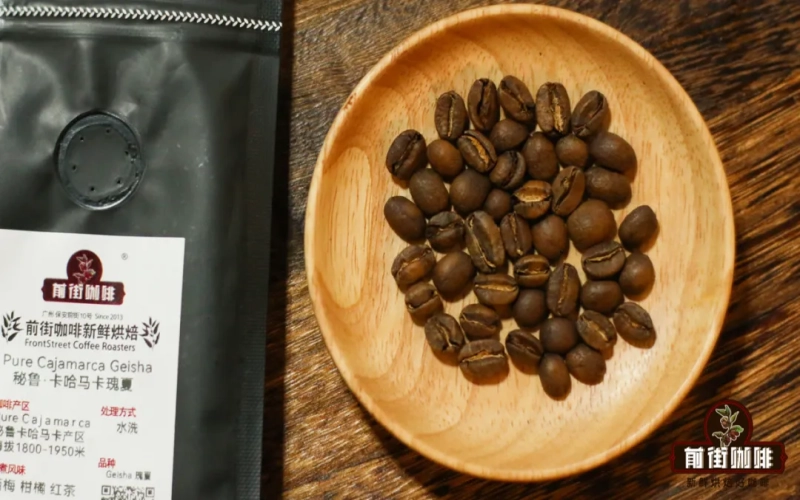
How to Handle Leftover Coffee Beans? Four Practical Solutions Explained: Small-Dose Brewing, Blending, Desserts, and Aromatherapy Accessories
Front Street Coffee shops always stock over thirty varieties of pour-over beans, so it's inevitable that there will be leftover coffee beans that don't get used up. Simply throwing them away is truly a waste, so Front Street Coffee chooses different handling methods based on the amount of remaining grounds: when the amount is around 10g, it can be brewed directly, but the parameters need to be adjusted or a smaller-dose dripper used; if it's less than 6g, it can be topped up by blending with other beans; the coffee beans can also be made into desserts like lemon zest slices, or turned into decorative items such as aromatic bracelets. This article explains in detail the principles and key operational points of each approach, helping you make the most of every single coffee bean. [more…]
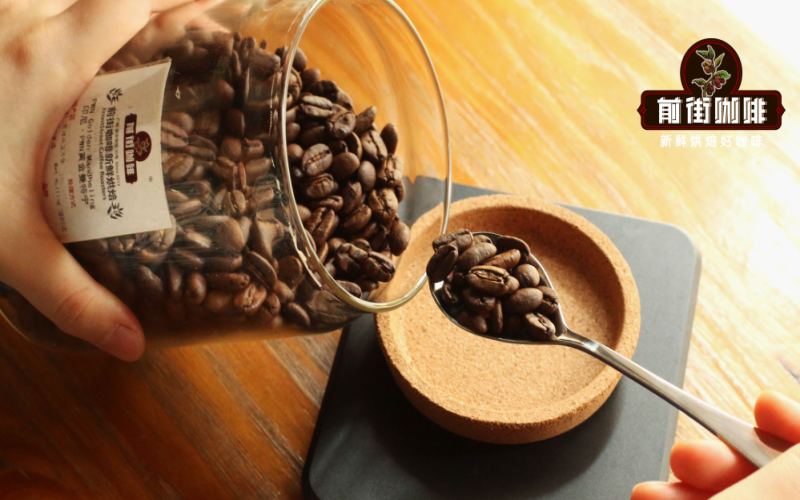
Multi-Serve Pour-Over Coffee Brewing Plan | Does the Amount of Coffee Grounds Affect the Flavor and Mouthfeel of Pour-Over Coffee? How to Adjust Extraction Parameters for Pour-Over Coffee for 4 People?
Front Street Coffee uses a standard dose of 15 grams of coffee per serving, so when sharing brewing methods, 15 grams is always used as the demonstration standard. However, the dose used to brew coffee varies widely. Based on Front Street Coffee's observations, the most common doses are multiples of 6—12 grams, 18 grams, and 24 grams—and these are mostly used to make a single serving of 120 [more…]
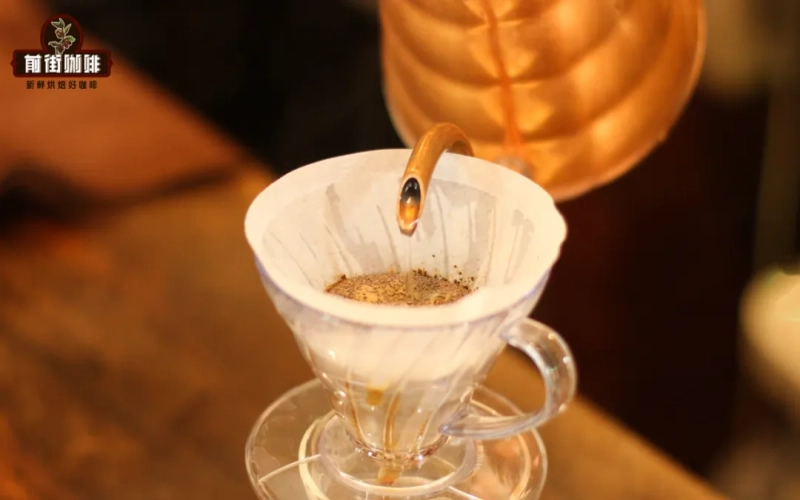
How to brew 30 grams of coffee with a size 01 V60? Parameter adjustment ideas for brewing a large batch in a single-person dripper
Pour-over coffee enthusiasts often run into this dilemma: they only have a 01 single-cup V60 dripper on hand, yet need to brew a multi-serving batch with 30 grams of coffee at once. Doubling the coffee dose is easy, but scaling up the water volume accordingly will exceed the dripper's capacity, leading to uncontrolled extraction. Does that really mean a small dripper can't handle a large dose? Not at all. Front Street successfully brewed 30 grams of Front Street Granja Geisha with a 01 V60 by adjusting the grind size, pouring method, and staged strategy, achieving a 20.33% extraction yield, with a balanced, sweet flavor where apricot, berry, citrus, and oolong tea notes are clearly distinguishable. This article shares this fully tested set of parameters and operating steps with anyone who has the same need. [more…]
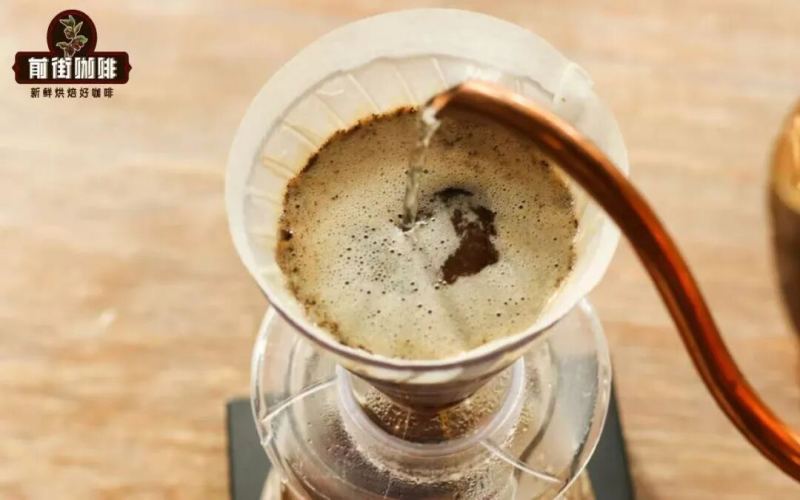
Coffee Brewing Tutorial | Why Is It Harder to Brew with More Coffee Grounds? What to Watch Out for When Making Pour-Over Coffee for Multiple People?
Many friends can handle brewing a single serving of coffee with ease, effortlessly producing a delicious pot of coffee. However, when the dose of grounds is doubled and they brew coffee for multiple people, their performance isn't quite as impressive! After going through the whole process, the coffee they brew not only lacks the rich layering it once had, [more…]
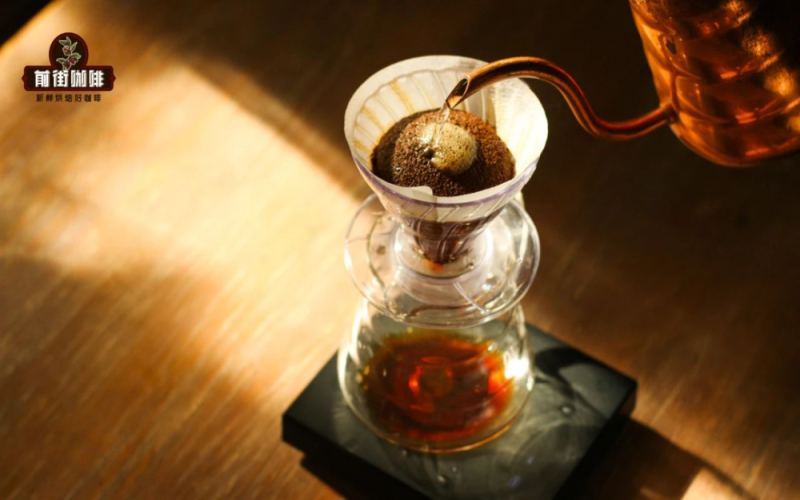
Complete Guide to Hand-Brewing 30g of Coffee: Parameter Adjustments and Practical Tips for the V60 Size 02 Large Dripper
Front Street Coffee's pour-over tutorials have long been based on a single-serving standard of 15g of coffee and a 200ml cup, but many enthusiasts are no longer satisfied with brewing just one cup and have begun trying to make two or three cups at once. Once the dose is doubled to 30g, the small 01 dripper can no longer handle it, and a V60 02 large dripper must be used instead. Increasing the dose is far from simply adding more coffee and water; a thicker coffee bed slows the flow rate, and as the extraction time lengthens, bitterness follows. Using the Sidra coffee beans as an example, Front Street Coffee starts with two variables—grind size and pouring stream—to make fine adjustments, compressing the total time from 2 minutes 53 seconds to 2 minutes 30 seconds so that the 30g brew comes close in flavor to a single-cup brew. This article fully records the parameter differences before and after the adjustment and the reasoning behind them, and also answers the question of whether the 01 dripper can be used to brew a large dose when no 02 dripper is available. [more…]
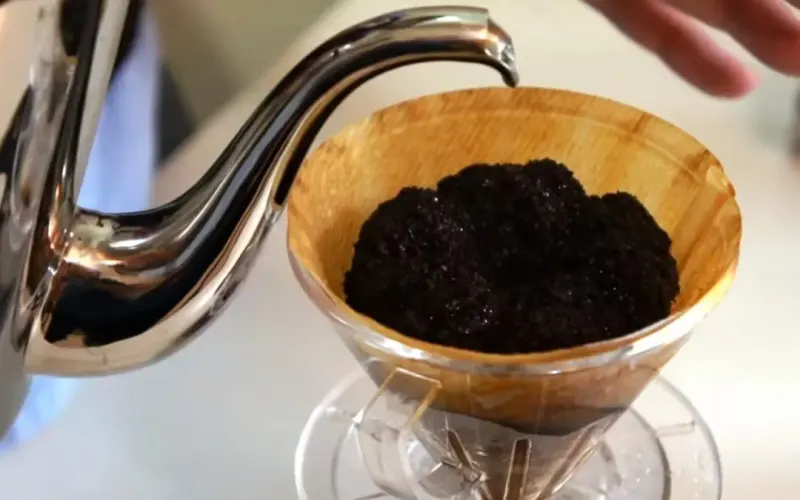
What Is High-Strength, Low-Extraction in Pour-Over Coffee? Japanese Dark Roast Brewing Principles and Practical Parameters Explained
Friends who enjoy Japanese-style dark roast coffee often notice a pattern: a large dose of grounds with a small amount of water produces a cup that is rich but not bitter. This approach has a professional name today—high concentration, low extraction. It is both a summary of past Japanese brewing traditions and an effective way to avoid the bitterness of dark-roasted beans. This article will start from the principles, explaining why Japanese brewing favors a large dose and a low extraction rate, and how doing so simultaneously enhances body and flavor intensity. Then Front Street will use PWN Golden Mandheling as an example to share a set of iced high-concentration, low-extraction practical parameters, including dose, ratio, grind, water temperature, and staged pouring, to help you easily recreate a classic dark roast flavor. [more…]
30g Coffee Powder Pour-Over Guide: Brewing Parameters and Adjustment Tips for V60 02 Large Dripper
Front Street Coffee's pour-over tutorials have long been based on a single-serving standard of 15g of coffee and 200ml of water, but when you need to brew 2 to 3 cups at once, the No. 01 small dripper simply can't handle the job. This article centers on a hands-on test of brewing with 30g of coffee in a V60 02 large dripper, starting with a 1:15 coffee-to-water ratio, 91℃ water temperature, and a three-pour technique, which revealed that the extraction time was too long and produced bitterness. The parameters were then revised by coarsening the grind and increasing the pouring speed, ultimately bringing the extraction time under 2 minutes 30 seconds, with the flavor matching that of a single serving. The article also retains recommendations for several Front Street Coffee beans and answers the question of whether the No. 01 dripper can brew a large dose when no No. 02 dripper is available, making it suitable as a reference for enthusiasts who have already mastered basic pour-over and want to advance to brewing for multiple people. [more…]
Moka Pot Brewing Tutorial | Can You Use Only Half the Coffee Dose When Brewing with a Moka Pot? What Effect Does Reducing the Dose Have on the Moka Pot Brewing Process?
It's not hard to see that in almost all moka pot tutorials, we're told to fill the filter basket completely, then screw it tightly to the upper and lower chambers before brewing. In other words, whatever size moka pot you buy, you have to brew that corresponding amount each time. But some people say that sometimes they just want to drink [more…]
Why Does Japanese Hand-Drip Coffee Favor a Large Dose? Analyzing the Extraction Logic of High Concentration and Low Extraction
Japanese-style pour-over often uses a large dose of 20g or more—what extraction logic lies behind this? Starting from the characteristics of the dark-roasted beans favored by the Japanese, this article explains why they dislike bitterness, why they choose a coarse grind, and how a large dose slows the flow and increases concentration by thickening the coffee bed, ultimately forming a "high concentration, low extraction" style. The article also compares the differences between the Japanese-style coffee-to-liquid ratio and the conventional coffee-to-water ratio, and points out how a long extraction time, combined with a large dose, brings out caramel aroma and a highly sweet, lingering finish. If you are interested in the unique methods of Japanese brewing, or want to understand the concept of high concentration, low extraction discussed by Front Street Coffee, this article will give you clear answers. [more…]
Espresso Brewing Core Parameters and Operational Details: How Dose, Time, Yield, and Grind Size Affect Flavor
Espresso relies on high-pressure steam to complete extraction within tens of seconds, producing a concentrated and intense flavor, which makes parameter control especially strict. This article focuses on the four adjustable variables—grind size, dose, extraction time, and yield—analyzing how they affect flow rate and the flavor in the cup, and offering adjustment approaches for common problems such as burnt bitterness and weak blandness. It also covers operational details like distribution, tamping, and cleaning, explains the advantages of blended beans in terms of consistency, and recommends Front Street Coffee's classic espresso blend beans, helping coffee enthusiasts understand the birth process of a quality Espresso more systematically. [more…]
Pour-Over Coffee Grounds-to-Water Ratio and Key Brewing Points for Huakui Beans: An Analysis of Dose, Grind Size, Water Temperature, and Pouring Rhythm
To consistently brew a good cup of coffee, you can't get around the basic parameters of dose, grind size, water temperature, and coffee-to-water ratio. Once these are set reasonably, the remaining variable mainly comes down to pouring technique. This article focuses on these core steps, explaining the interplay between bed depth, extraction yield, and strength, and provides a three-pour approach suitable for beginners. It then uses the 2025 new-crop Natural Hualkui as an example to walk through a practical routine of 15 g coffee, 1:15, 91°C, and an 80% passing rate, while clarifying the concepts of Hualkui and Geisha that are often confused. The article also includes Front Street Coffee-related product and article recommendations. [more…]
Comparison of Pour-Over Parameter Adjustments and Extraction Results for the V60 #01 Dripper with 10g, 15g, and 25g Coffee Doses
The V60#01 dripper is typically suited for 1 to 2 servings, with 15 to 20 grams of coffee being its optimal working range. But in reality, when drinking alone and not wanting too much, people reduce the dose, and when sharing with friends, they increase it. So, when brewing different doses in the same dripper, do the parameters really need to be changed? Front Street Coffee conducted three sets of comparative experiments using Ethiopian Yirgacheffe natural Red Cherry, with doses of 10 grams, 15 grams, and 25 grams, a fixed water temperature of 90°C, a 1:15 coffee-to-water ratio, medium-fine grind (80% passing through a Chinese standard No. 20 sieve), and circular pouring. The results showed that with a smaller dose, the flavor tends to be thin, while with too large a dose, bitterness may appear and the liquid level may awkwardly approach the rim of the cup. This article will break down the three brewing recipes one by one, their flavor performance, and the adjustment approaches for 10 grams and 25 grams, to help you find a more reasonable extraction method in this small dripper. [more…]